


How planning ahead can help bring people peace of mind
Talking about what matters to us at the end of life isn’t always easy, but planning ahead can make a real difference for you and the people you love.
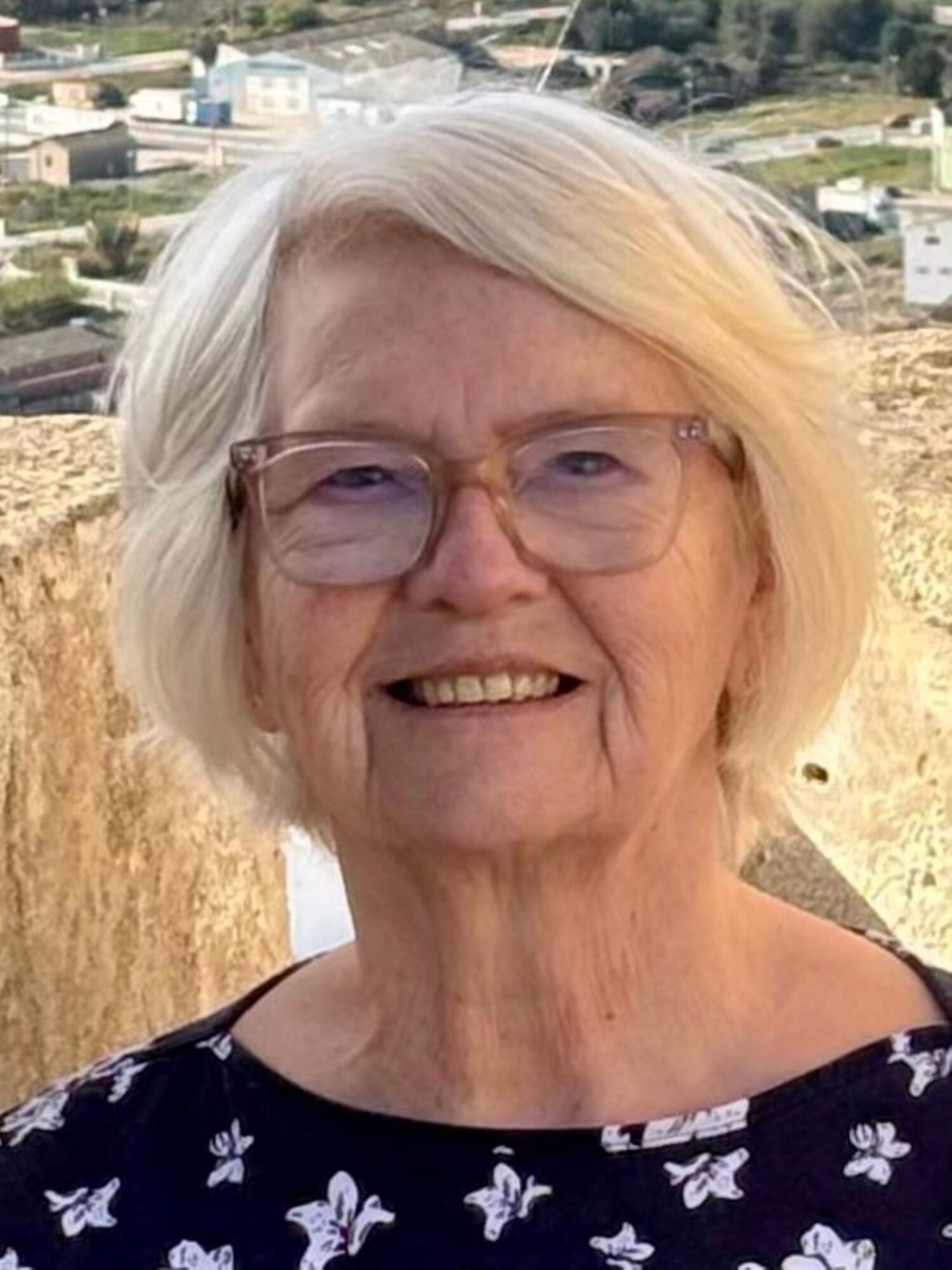
Our wonderful bereavement volunteer, Dot Martin, shared with us her experience of bereavement and explains why she feels so strongly about having open conversations about end-of-life wishes and advance care planning. From attending our Advance Care Planning Course to starting conversations with people in her local community, Dot shares how planning ahead can help give people peace of mind.
Dot’s journey to supporting people through bereavement
“I lost my husband two and a half years ago, so I’ve experienced bereavement myself,” said Dot. “I joined a bereavement group at the Alice Cross Centre and I was made to feel very welcome and comfortable talking about what I was experiencing.
“I thought, ‘I would love to support people like this and give what I can.’ In June, I started supporting a bereavement group in Newton Abbot. We’re now running two groups with four bereavement volunteers.
“I also decided I would try to become a volunteer for Rowcroft. I completed my training in February, and I now visit clients on behalf of Rowcroft as a bereavement listener.”
Starting conversations about planning ahead
“I attended the Advance Care Planning Course run by Rowcroft’s Education Team and it was excellent. The delivery was easy to understand and the message really resonated with me. It built my confidence to initiate conversations about end-of-life wishes and advance care planning.
“Since then, I’ve been visiting community groups and local ‘death cafés’ to talk with people about planning for the future. Rowcroft’s Education Team provided me with a wonderful brochure, full of QR codes and links to webpages where people can discover further resources and information. It covers everything from making a Will and planning a funeral to thinking about pets and electronics, as well as future care for children with disabilities or family members with dementia.
“It’s a lot of information packaged up in one little brochure. Carrying it around with me means it’s there if I meet someone who might find it helpful.”
Why planning ahead matters
“I’d had problems when my husband died with accessing his phone and computer. It was hurtful because I wanted to access and see some of the things my husband had been doing. He was a wonderful guitarist and singer, and when I eventually got access, I was able to retrieve some of his music, which was so important to me.
“If we’d done advance planning, where he would have named me to access his accounts and devices, I wouldn’t have had that problem. There are so many things you might not think about, and when you’re grieving, you’ve got enough to deal with without worrying about those kinds of issues as well.”
Making your wishes known
“I’ve always been quite an open person, and that extends to conversations around death. I’ve done my own advance planning, and it didn’t feel like a scary or sad thing at all. I also think it’s a compassionate act for your loved ones. They’re not left with these decisions when you’re gone, because you’ve already planned and simplified it for them.”
If Dot’s story has prompted you to think about planning ahead, Rowcroft has a range of resources to help you get started. From making your wishes known to thinking about practical matters such as making a Will, you can find information and guidance through our Planning for the Future Hub.
Become an advance care planning champion
If you are interested in learning more about advance care planning, you can attend the same course that Dot completed at Rowcroft. The Advance Care Planning (ACP) course helps people feel more confident starting conversations about end-of-life wishes and planning ahead.
The course is free for volunteers and costs £50 for members of the public. Find out more about the course and how to book your place here: rowcrofthospice.org.uk/course- details